Mark Inglis: The Decisions, Not the Summit
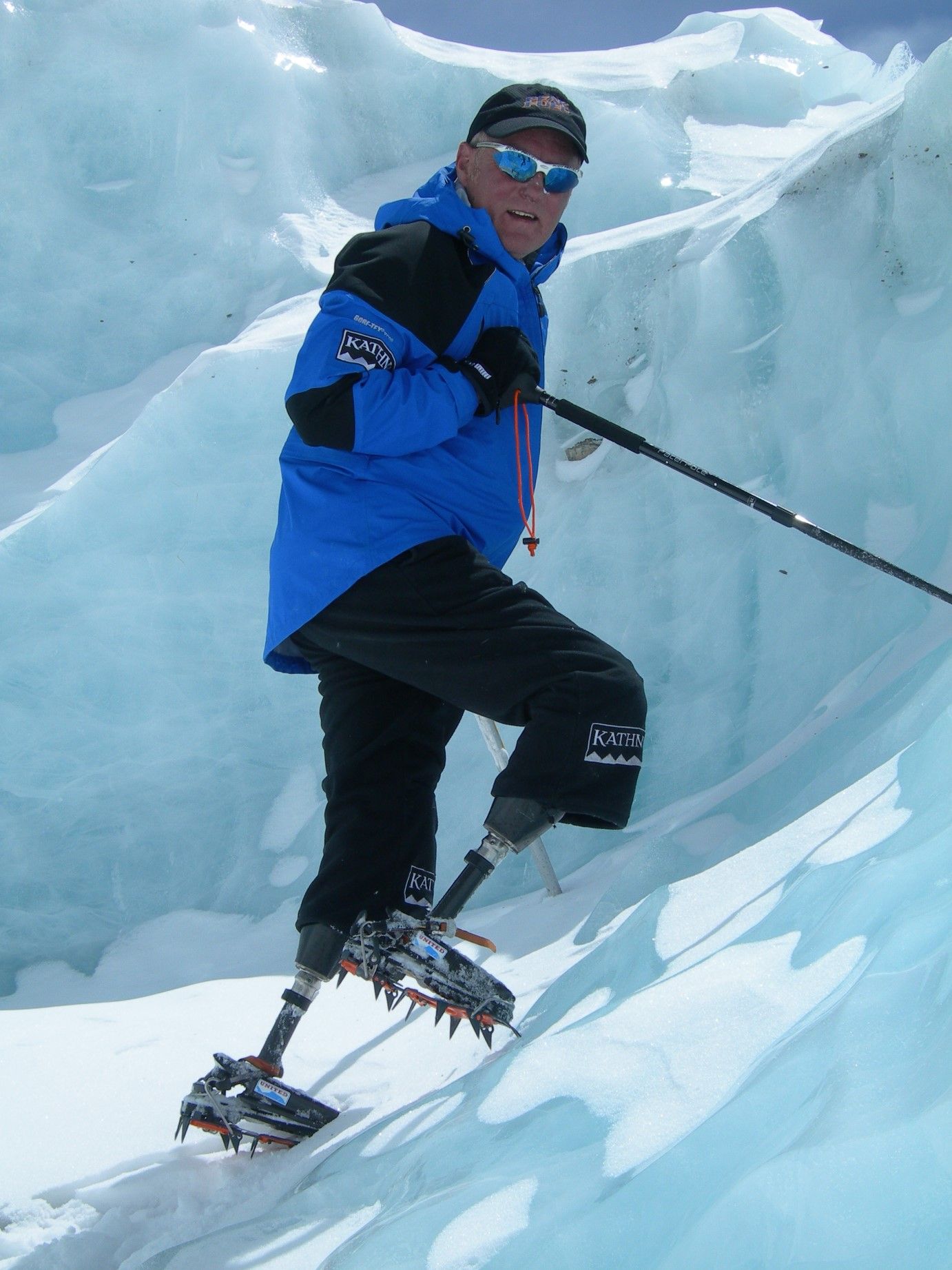
Thirteen days in an ice cave at 23. Everest at 47, on a leg that snapped at 6,400 metres.
Mark Inglis: The Decisions, Not the Summit
In November 1982, Mark Inglis and climbing partner Phil Doole spent 13 days trapped in an ice cave near the summit of Aoraki/Mount Cook while a blizzard sat on the mountain. Inglis was 23 and working as a search-and-rescue mountaineer. Both men lost their legs below the knee to frostbite.
On 15 May 2006, he became the first double amputee to summit Mount Everest.
Why the rebuild matters more than the summit
Most adventure speakers have one extraordinary event. Inglis has two decades of deliberate work between the accident and the mountain.
He completed an honours degree in human biochemistry, worked as a research scientist, became a winemaker, won New Zealand's first Paralympic cycling medal at Sydney 2000, and summited Cho Oyu in 2004. Everest was the end of a long sequence, not a comeback.
Partway up, a fixed-line anchor failed and one of his carbon fibre prosthetic legs snapped in half. He repaired it with spare parts and kept going. As he puts it, a broken prosthetic takes six hours to fix; a broken leg takes six weeks.
The session most Australian teams should book
Above 8,000 metres, decisions get made with degraded judgement, incomplete information and consequences that cannot be undone. That is a heightened version of an ordinary week in most organisations.
He runs a 90-minute team program built around exactly this: a group making decisions under pressure without the full picture, then unpacking what happened. For leadership and executive groups it usually delivers more than the keynote does.
Who he suits
Conference openers and closers, leadership and safety events, and audiences in construction, mining, emergency services and health where the decision-making parallels are direct.
He travels from New Zealand, so build trans-Tasman flights and an extra night into the budget and confirm your date early.
Book him for the twenty years, not the twenty minutes on the summit.