Mental Health & Wellbeing
Workplace mental health has moved from a nice-to-have to a genuine responsibility, and the right speaker can shift how an organisation talks about it. Our roster covers lived experience, clinical expertise and practical workplace frameworks — speakers who can hold a serious subject without leaving a room flat.






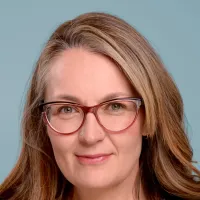
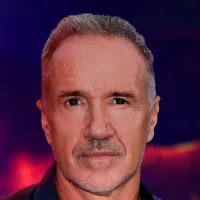

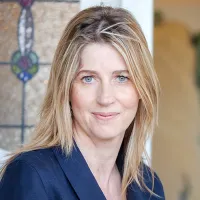


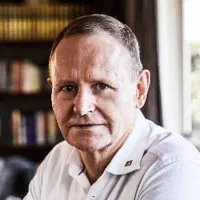




Choosing the right kind of speaker
"Mental health speaker" covers several quite different things, and the mismatch between what an organisation books and what it actually needed is the most common reason these sessions land badly.
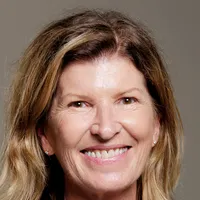
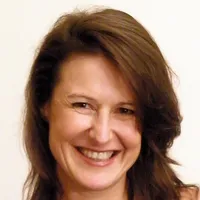
Lived experience. Someone who has come through something significant and can talk about it with perspective rather than rawness. Sam Bloom and Rabia Siddique work here. These sessions shift attitudes and reduce stigma — people listen differently to a story than to a framework. Best for all-staff events, awareness days and conference keynotes.
Workplace mental health, practically. Speakers who give managers and teams something to actually do on Monday: how to notice someone struggling, how to start a conversation, how to build a culture where people speak up before crisis point. Mitch Wallis and Cooper Chapman both work in this territory. Best for leadership groups, HR and safety programmes, and R U OK Day.
Everyday wellbeing and habits. Anxiety, burnout, sleep, digital habits, sustainable performance. Sarah Wilson and Jocelyn Brewer sit here. Best for wellbeing weeks, staff development days, and organisations wanting practical content without a heavy emotional load.
If you're not sure which you need, tell us what prompted the booking. That usually answers it faster than a shortlist does.
Getting the setting right
A few things worth planning that are easy to miss:
Brief the speaker on your context. If your organisation has been through a loss, a restructure or a critical incident, say so. A good speaker will adjust their material; a speaker who finds out in the room can't.
Have support available. Sessions on this subject can surface things for people in the audience. Make sure your EAP details are visible, and let staff know it's fine to step out. Speakers who work in this space regularly will expect this and can help you plan it.
Think about the slot. Heavy content immediately before people go back to their desks is a lot to ask. Either build in a break, or place the session where there's room to decompress.
Make it part of something. A single keynote raises awareness. A keynote attached to a programme — manager training, a policy change, a new EAP rollout — changes behaviour. The speakers on this page are far more useful as the opening of something than as a standalone.
Formats
Keynote — 45 to 60 minutes, the standard conference or all-staff format
Keynote with facilitated Q&A — often better on this subject than a straight presentation, as it lets an audience raise what's actually on their minds
Manager or leadership workshop — half or full day, skills rather than awareness
Panel or in-conversation — useful when you want more than one perspective
Virtual — most speakers present remotely, and it can suit sensitive subjects where people prefer not to be seen reacting
Awareness days
Demand concentrates hard around the calendar, and the good speakers book out first. If you're planning for R U OK? Day in September, World Mental Health Day on 10 October, or Mental Health Month, start six to twelve months out. Enquiries that arrive in August for September are usually choosing from who's left.
Lead time
Outside awareness dates, six to twelve weeks is generally enough for a keynote. Workshops and multi-session programmes need longer, since they involve scoping the content with you first.