International Women's Day Speakers
International Women's Day falls on 8 March, and for most organisations it's the one morning of the year when the whole business stops to listen to the same person. That's a rare amount of attention, and it puts real weight on the booking.
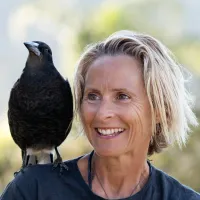
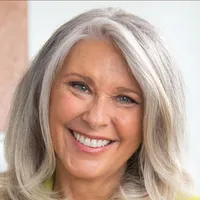
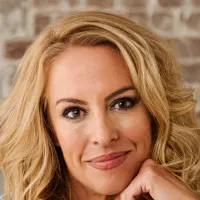
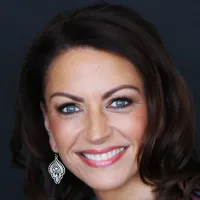
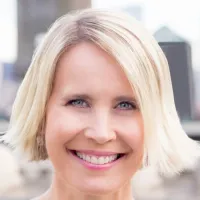
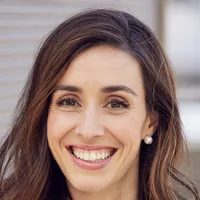
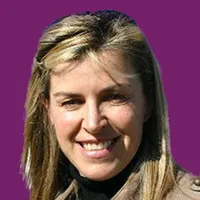
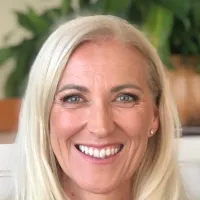
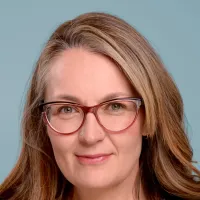
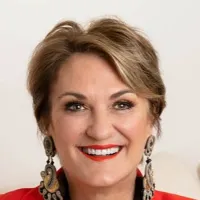
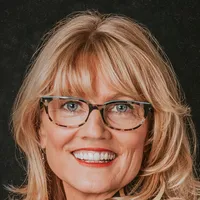
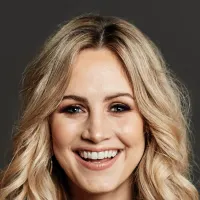
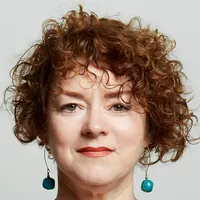
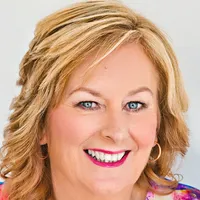
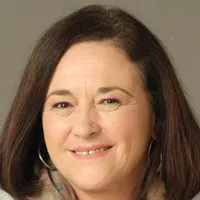
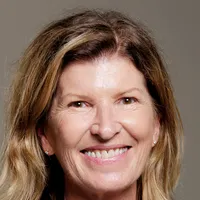
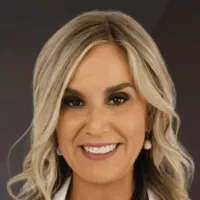
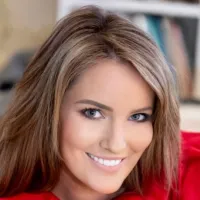
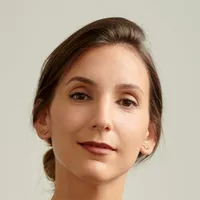
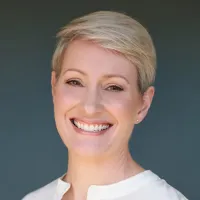
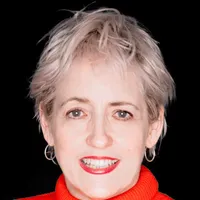
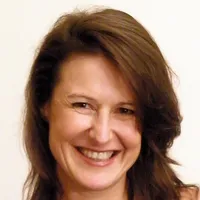
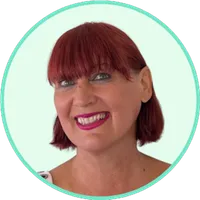
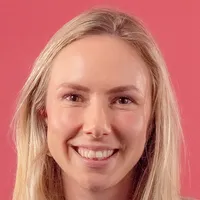
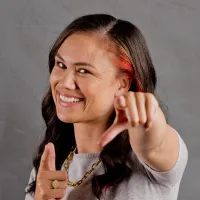
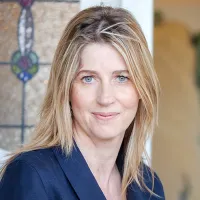
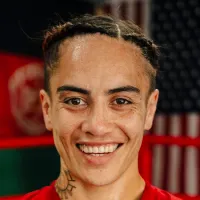
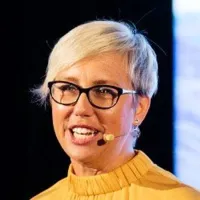
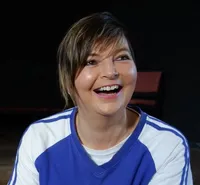
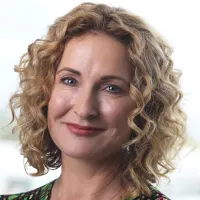
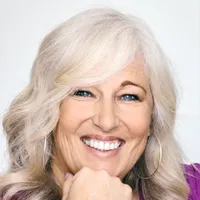
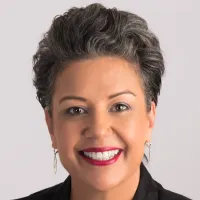
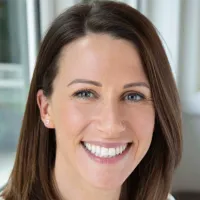
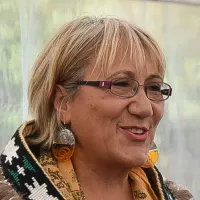
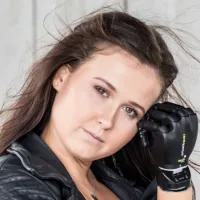
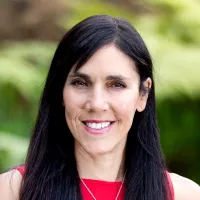
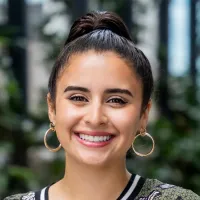
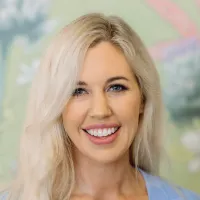
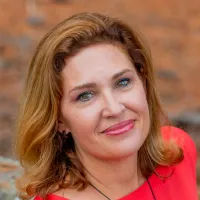
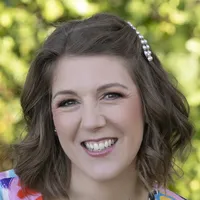
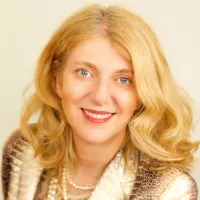
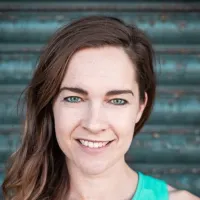
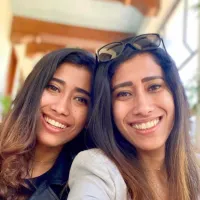
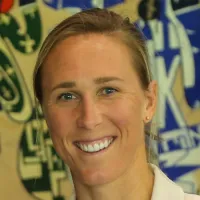
The women below cover the range these events call for. Rabia Siddique on moral courage and speaking up when it costs you. Holly Ransom on leadership and generational change. Tracey Spicer AM on equity and technology. Noa Sheer on negotiation. Chelsea Lane on building high-performance systems at the top of professional sport. Sam Bloom and Janine Shepherd for events where a personal account of recovery is what the room needs.
Tell us your date and theme and we'll shortlist against them. Most enquiries get a response the same day.




Choosing the right speaker for your event
Three briefs cover most International Women's Day events, and deciding between them upfront saves a lot of shortlisting.
A practical skills session. Negotiation, self-advocacy, building a case for promotion — content the audience can use the following week. This lands especially well with rooms that have heard the inspirational version several years running and where the feedback has started to soften.
An organisational session. Leadership pipelines, pay equity, sponsorship versus mentorship, what actually shifts representation. Best where senior leaders are in the room and expected to respond, not just attend. See also our leadership speakers.
A personal account. A speaker whose own experience carries the message. The most emotionally powerful option, and the one that depends most on the speaker being genuinely good in a room rather than simply having lived something remarkable.
Mixed audiences of staff and executives usually do best with the first or third. A leadership-only audience can take the second, which is where the real change tends to get decided.
Formats, fees and lead time
Most International Women's Day bookings are a 30 to 45 minute keynote at a breakfast or morning event, often with a short moderated Q&A. Panels are common and frequently disappointing — three people agreeing pleasantly for forty minutes. If you want one, budget for an experienced MC rather than asking a senior leader to chair it.
Fees vary with profile and format. Tell us your budget and we'll show you who genuinely fits it.
Book early — this is the most concentrated week in the speaking calendar. The strongest speakers are committed months out. Ideally confirm by December. From January availability narrows quickly, and by February you're usually choosing from who's left rather than who's right.
Making the day land
International Women's Day events carry a risk most corporate events don't: an audience can tell when a session is a box being ticked. A few things separate the ones that work.
Brief the speaker properly. Tell her what your organisation has and hasn't done. A speaker who knows your gender pay gap figure, or that last year's session drew a lukewarm response, will speak to the room in front of her rather than deliver a general talk.
Decide what happens after. The events people remember are followed by something concrete — a commitment named on stage, a program launched, a number published. A speaker can open that door; she can't walk through it for you.
Give it a real slot. A keynote squeezed into the last 25 minutes of a breakfast, with people watching the clock, won't carry. Either give the session proper time or make it deliberately short and well-framed.
Think about who's in the room. Many organisations run International Women's Day as a women-only event. The sessions that shift anything usually have the people with hiring and promotion authority sitting in them too.
We brief every speaker before the event and can help shape the run of the day. Tell us about your event and we'll come back with names.