Browse All Speakers
Our full roster — every speaker, MC, comedian and workshop facilitator we represent, in one place. If you know roughly what your event needs but not who, this is the page to start on.
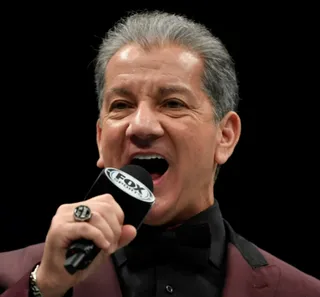
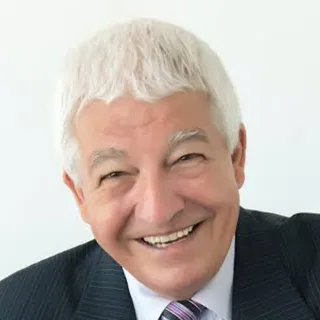
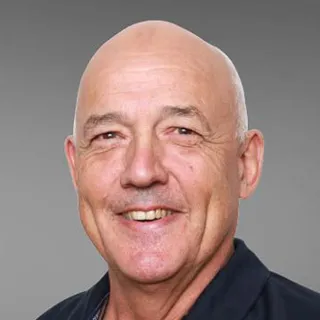
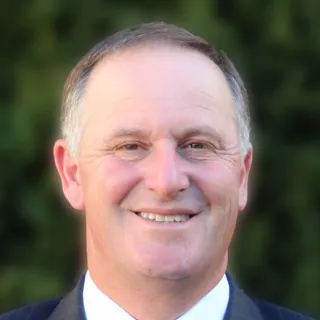
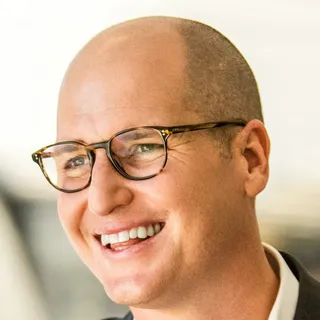
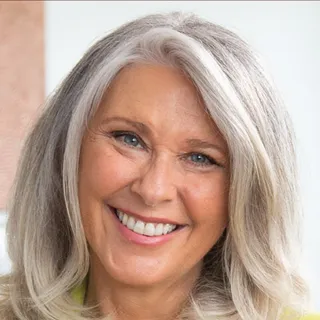
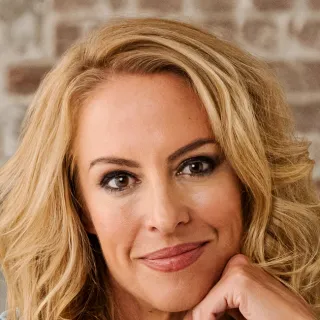
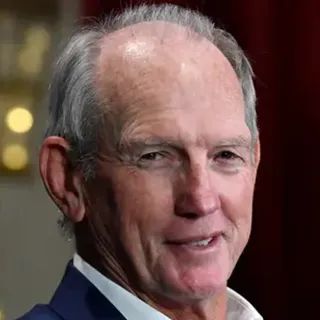
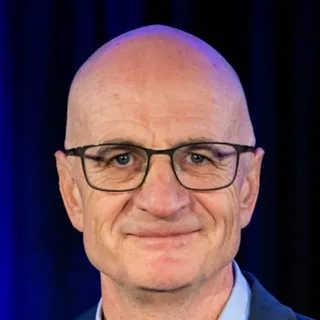
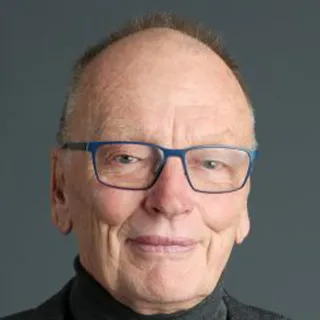
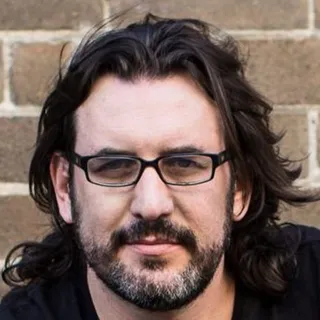
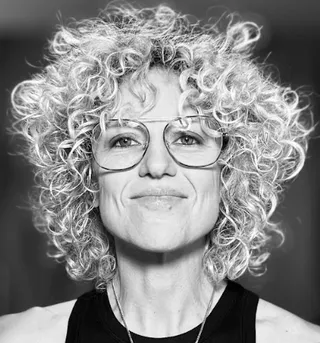
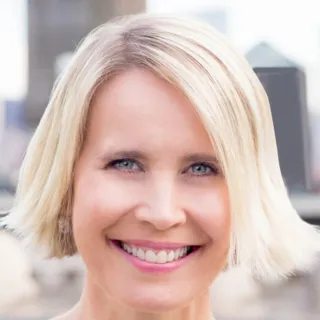
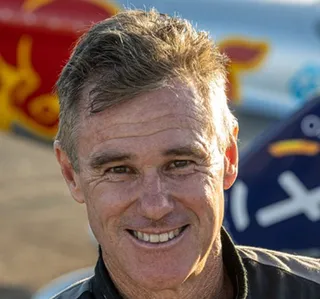
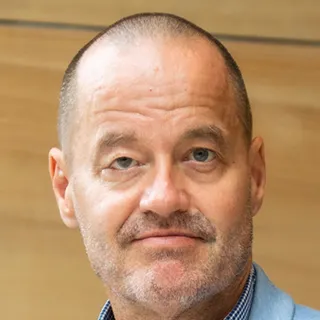
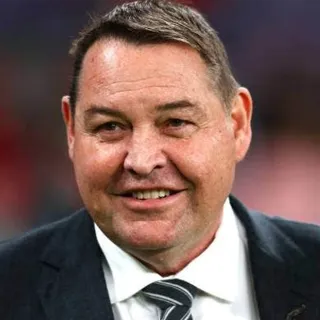
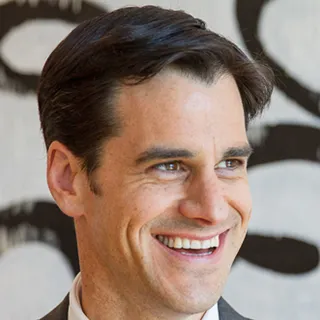
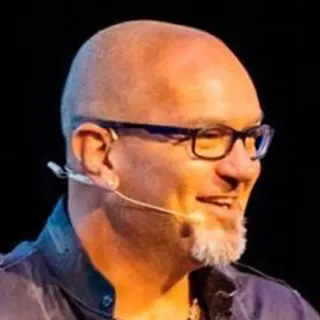
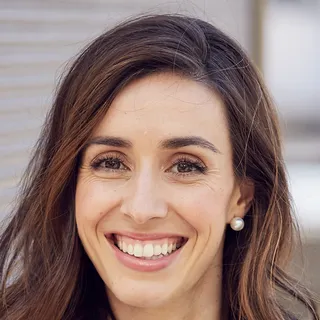
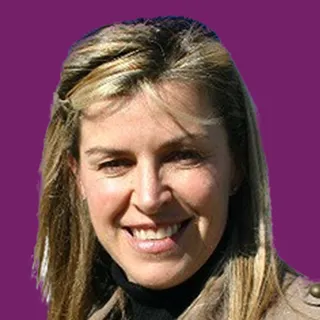
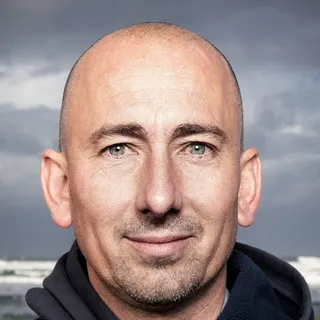
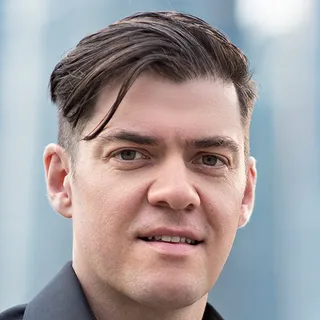
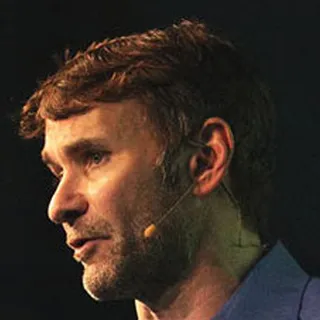
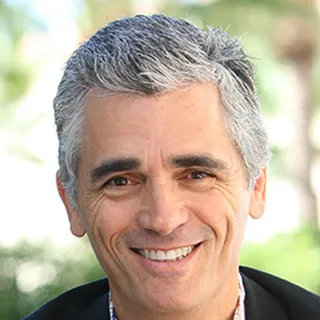
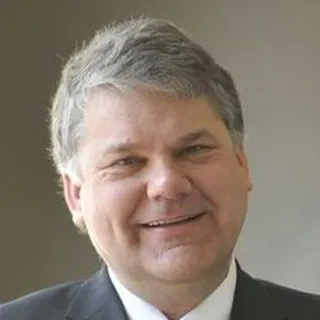
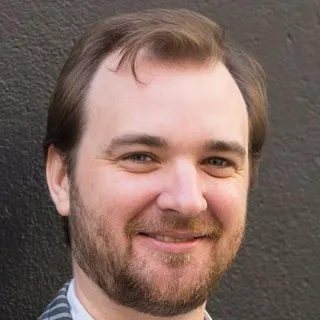
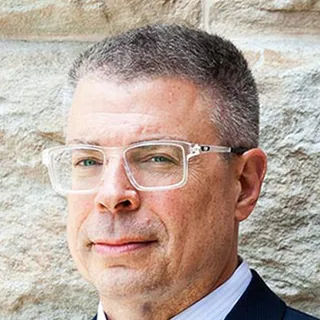
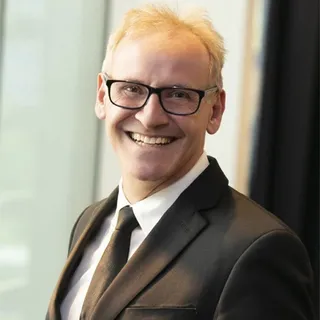
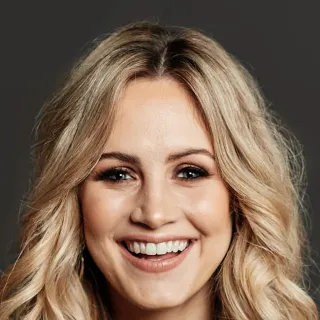
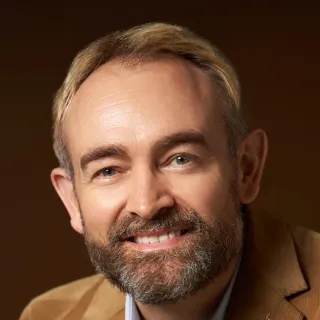
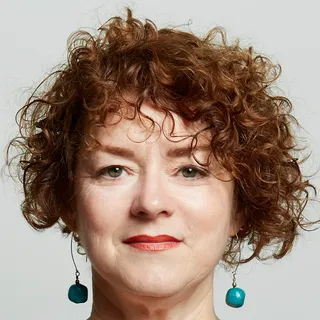
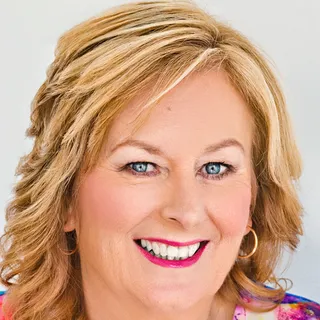
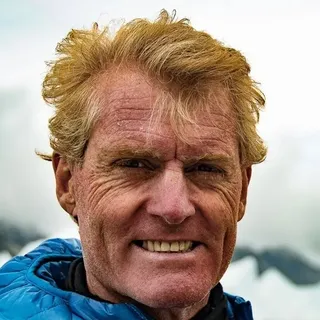
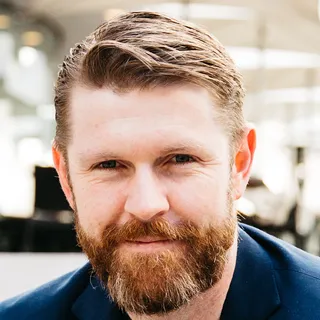
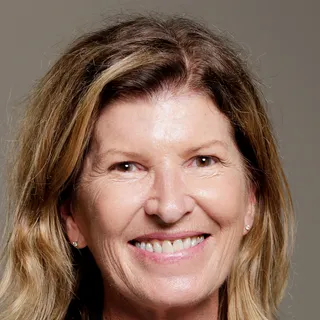
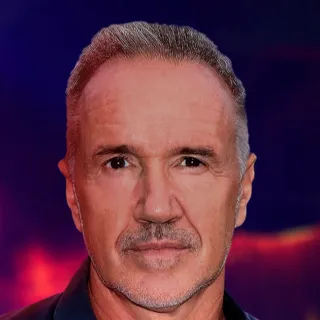
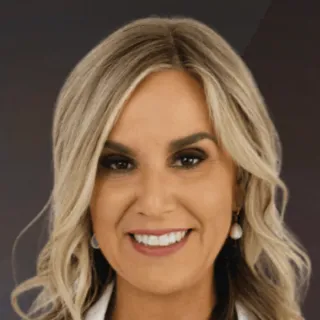
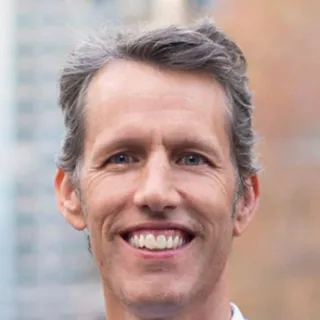
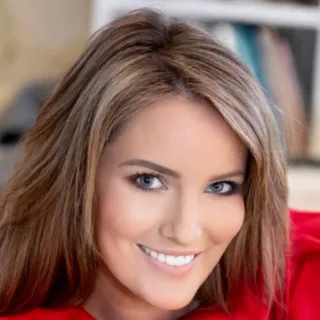
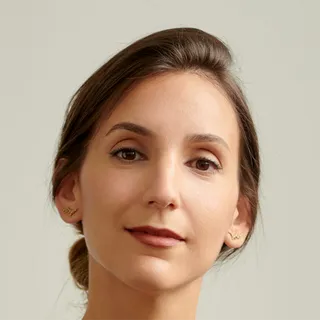
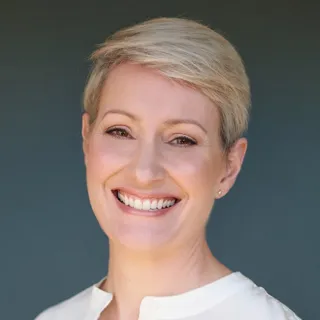
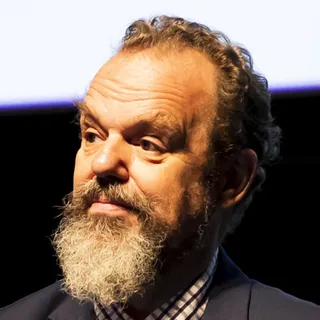
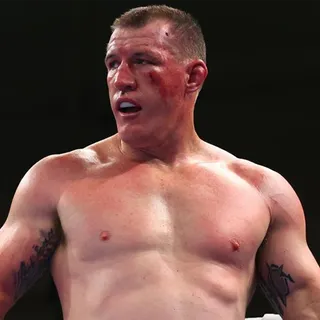
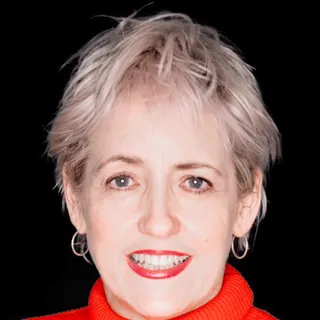
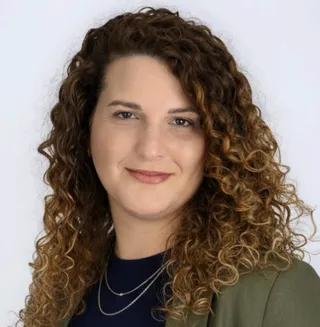
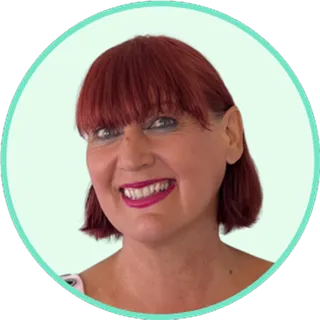
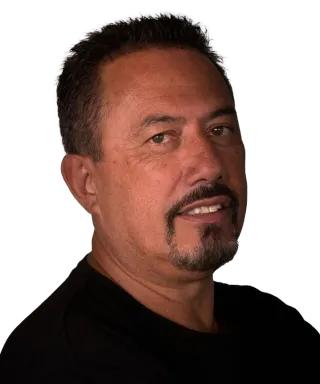
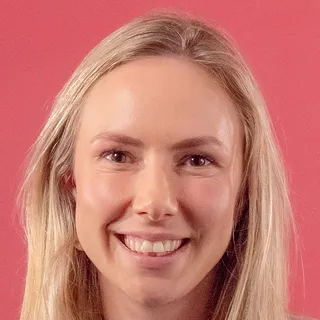
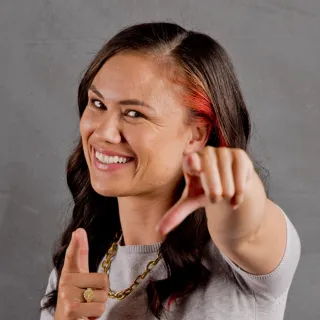
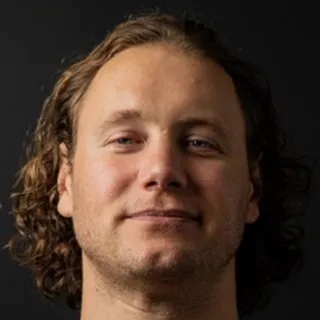
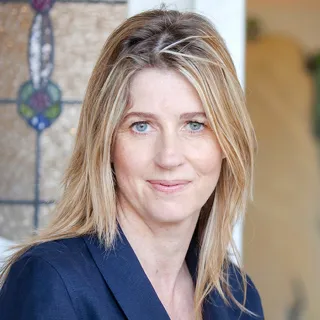
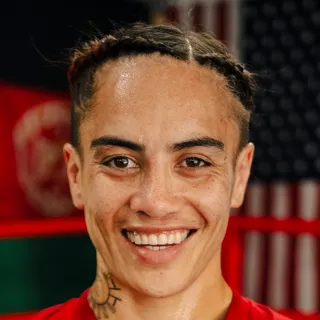
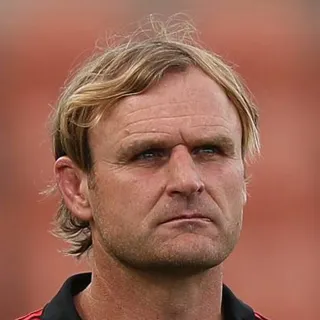
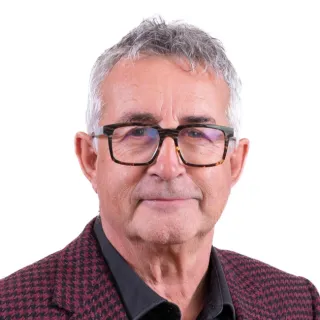
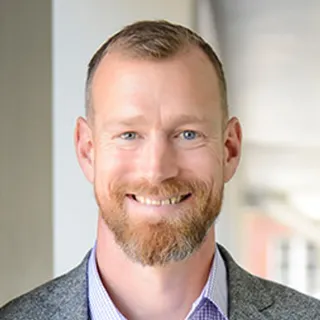
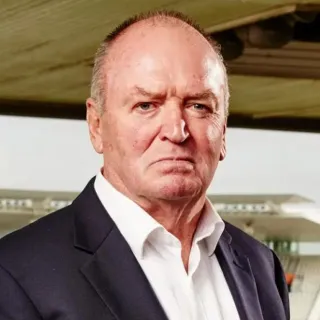
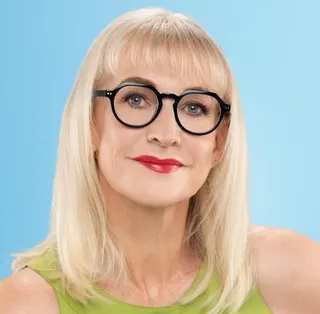
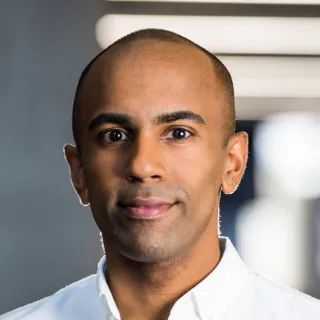
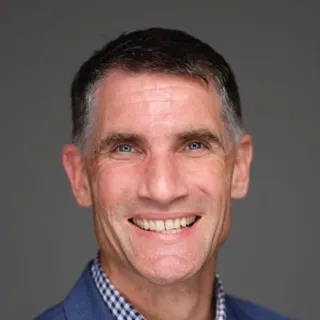
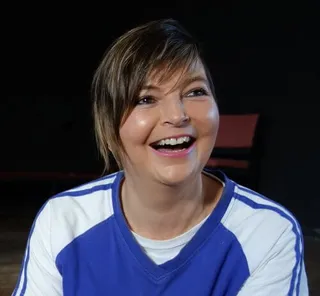
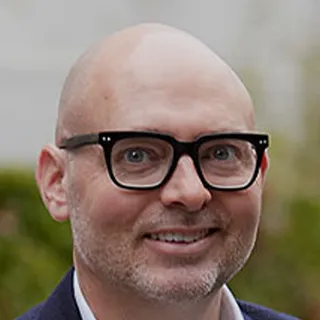
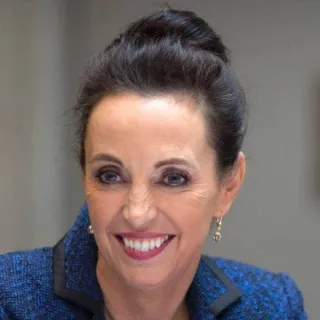
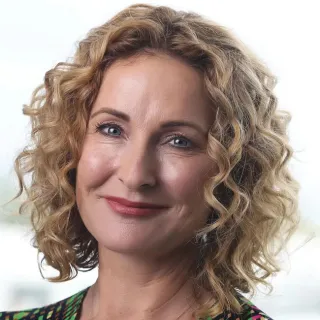
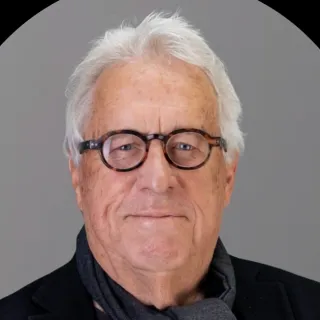
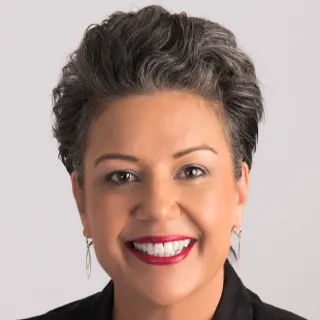
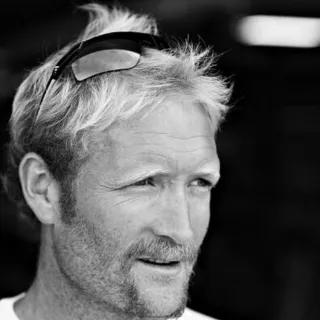
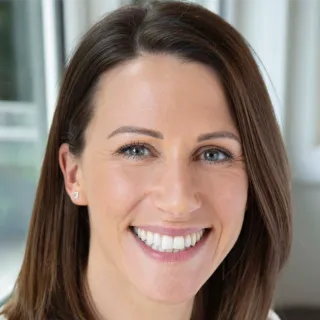
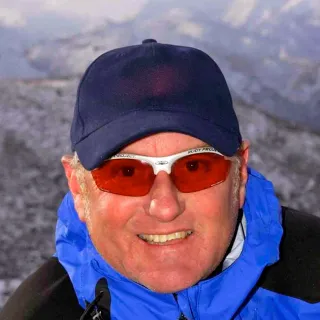
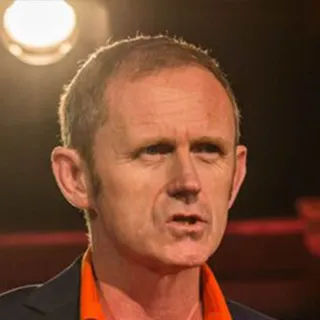
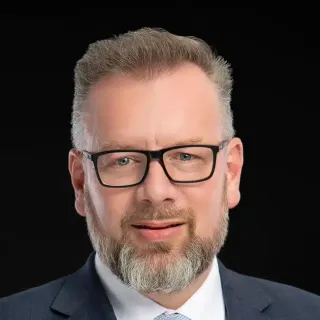
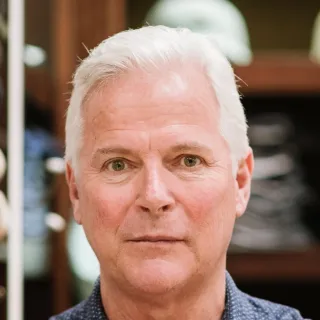
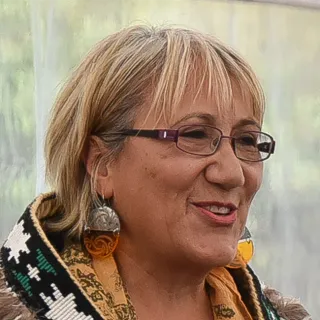
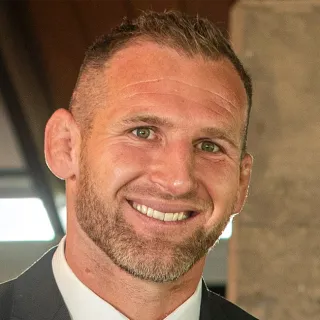
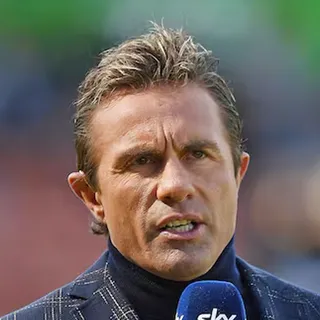
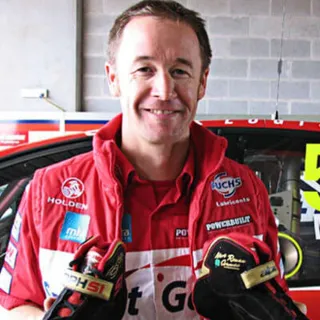
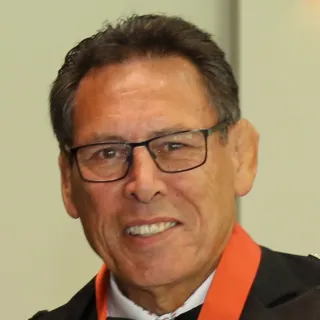
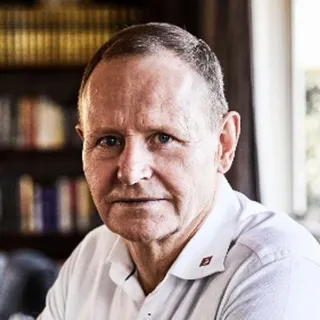
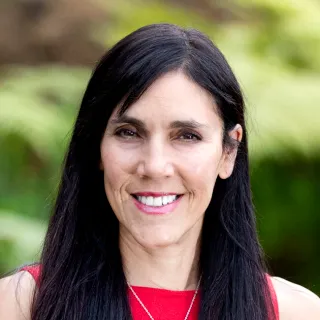
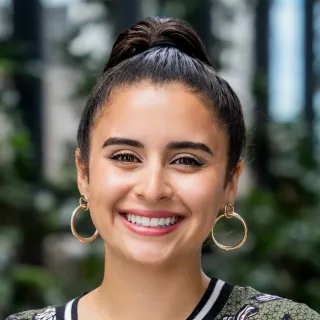
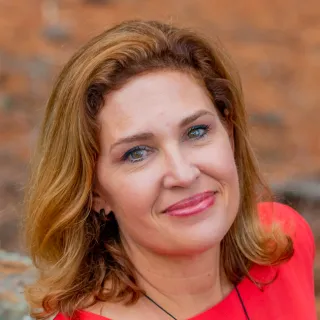
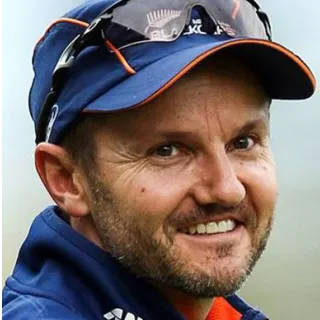
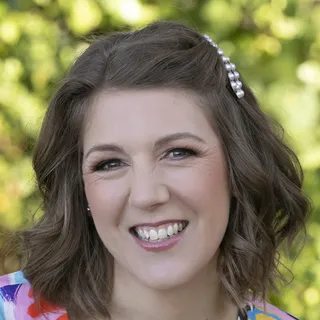
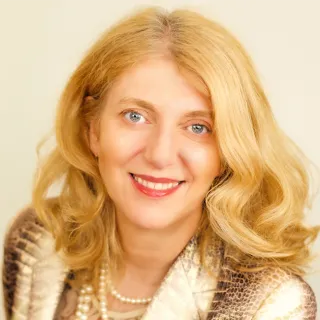
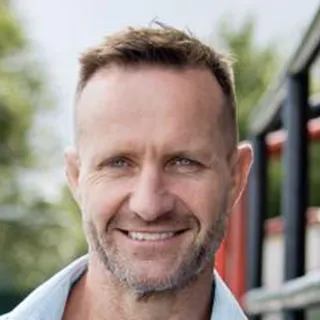
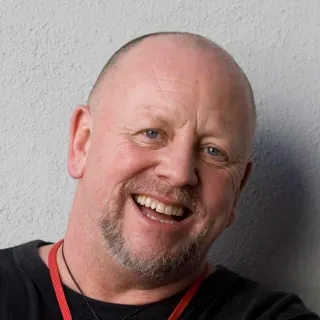
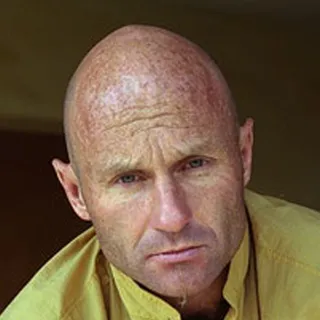
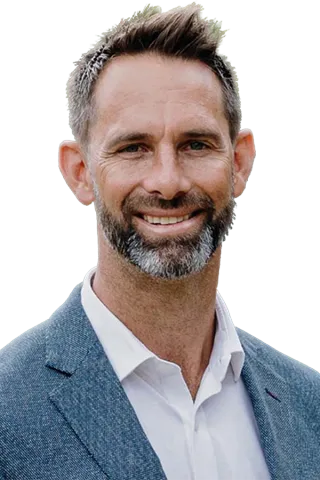
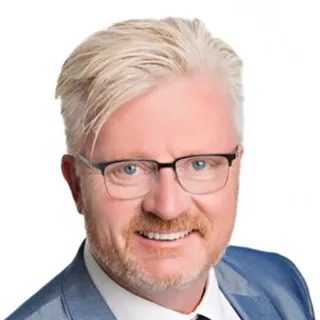
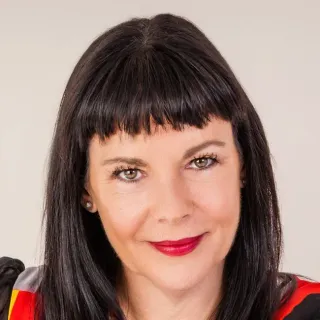
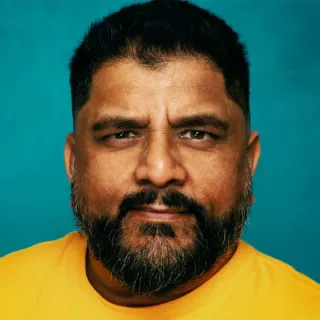
You'll find Gus Balbontin on adaptation and change, Sam Bloom and Mitch Wallis on resilience and mental health, Gilbert Enoka on high-performance teams, Sir John Key and Michael McQueen on strategy and what's coming next, and Tracey Spicer AM on equity and technology — alongside more than a hundred others across business, wellbeing, innovation and sport.
Use the filters to narrow by topic or format, or click enquire and tell us about your event and we'll shortlist for you. Most enquiries get a response the same day.

























No speakers match those filters. Try removing one, or tell us what you need.
Not sure where to start?
Most people arrive here knowing the date and the budget but not the name, which is the right way round.
Three questions usually narrow it faster than scrolling.
What is the session for?
Opening a conference, closing one, breaking up a heavy agenda, or delivering a message leadership wants heard.
An opener sets energy and frames the day.
A closer needs to send people out with something.
These are different skills, and few speakers do both equally well.
Who is in the room?
A national sales conference and a leadership offsite of twelve people need different speakers, even on the same subject.
Audience size changes the format more than the topic does.
What does the audience already know?
Rooms that have sat through several years of similar sessions need someone with a genuinely different angle, not a better version of what they've already heard.
If you can answer those three, we can usually put three or four names in front of you the same day.
Formats, fees and lead time
A standard keynote runs 30 to 60 minutes, usually with time for questions.
Workshops run half or full day and suit smaller groups where the point is to practise something rather than hear about it.
An MC holds a whole event together and is worth budgeting for properly — a good one saves a program that's running late; a bad one costs you the room.
Fees vary with profile, format and travel.
Rather than publishing bands that don't survive contact with a real brief, tell us your budget and we'll show you who genuinely fits it.
Lead time matters more than most people expect.
Six to eight weeks is workable for most bookings. Peak periods — March and the September–November conference season — need considerably longer, and the strongest speakers in those windows are often committed by the previous December.
How booking through a bureau works
Working with us costs you nothing beyond the speaker's fee.
We're paid by commission on the booking, so our incentive is to place the right person and be asked again, not to push whoever's available.
What that gets you: an honest shortlist including speakers you hadn't heard of, contracting and logistics handled, a proper briefing so the speaker arrives knowing your organisation and your audience, and someone to call if a flight is cancelled the night before.
We're a member of the International Association of Speakers Bureaus and bound by its global code of ethics.
We also represent speakers across New Zealand through our sister bureau, which widens the roster considerably for Australian events.
Tell us about your event and we'll come back with names.